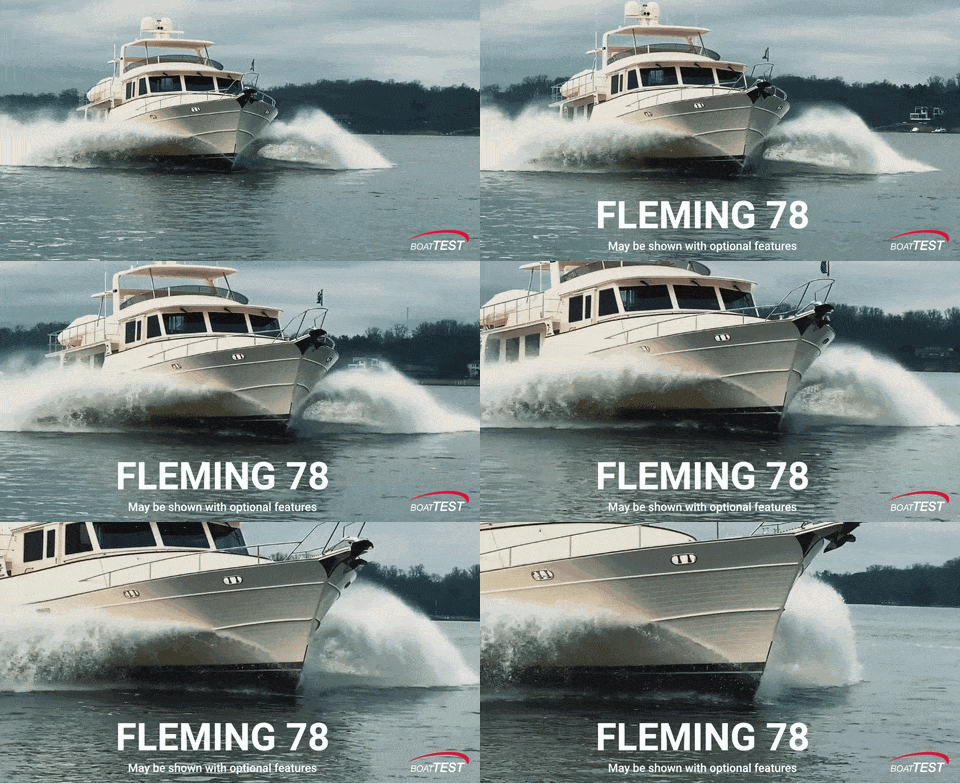
LONG RANGE Extended cruising shaped nearly every decision aboard the Fleming 78. Wide side decks, five control stations, a protected pilothouse and a centralized monitoring system support short-handed operation, while twin MAN V12s provide the option of running beyond 20 knots when schedules demand it.
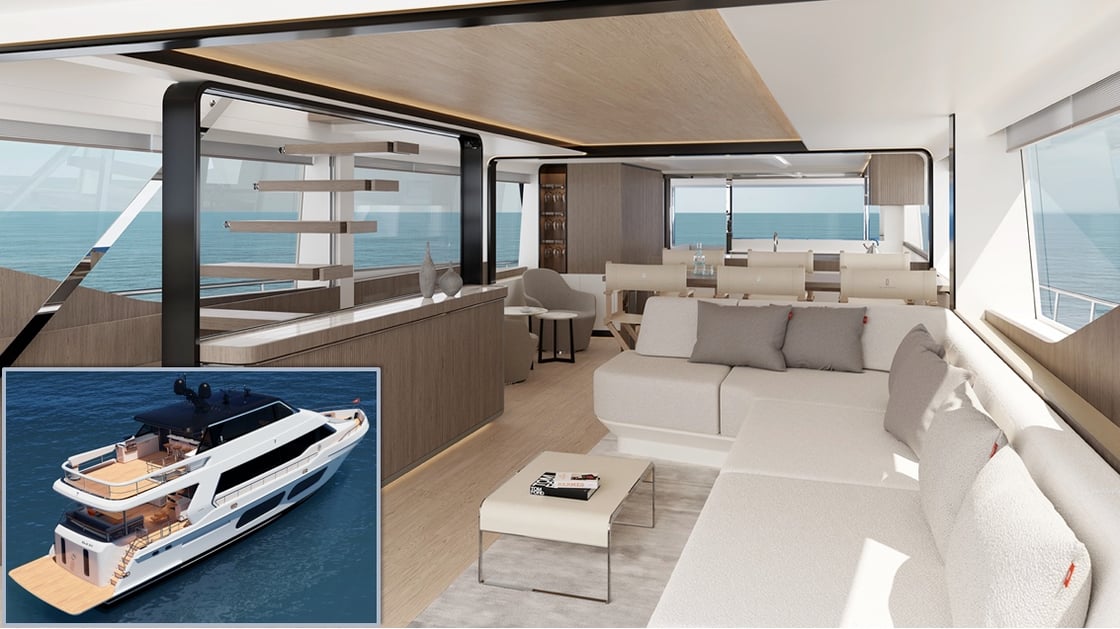
A NEW CONCEPT CLB80 combines modern aesthetics, optimized living spaces, and exceptional performance to create a yacht with truly endless possibilities. Integrating a well-thought-out interior with innovative features, distinct layout options are available to meet diverse lifestyles, including galley aft or forward, enclosed flybridge with single helm or double helm, or an open flybridge with double helm.
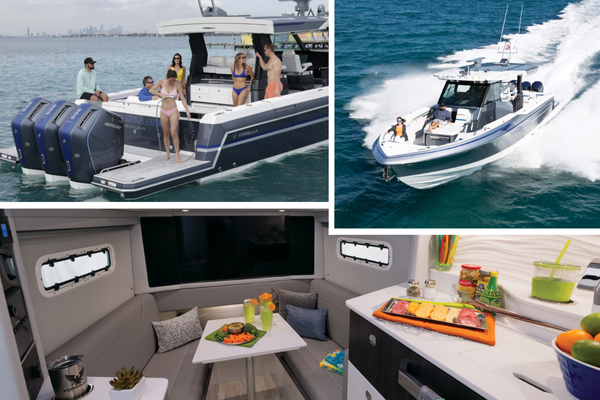
52.8 KNOTS, TRIPLE VERADOS The Formula 457 CCS runs on a trio of 600-hp Mercury Verado outboards and topped 52.8 knots in BoatTEST's speed trials, with a 700-gallon fuel capacity that puts Nassau or the Abacos within reach of a Miami morning departure. A Seakeeper 6 gyro keeps her steady at anchor, and retractable underwater platforms make getting back aboard from a swim stop easy.
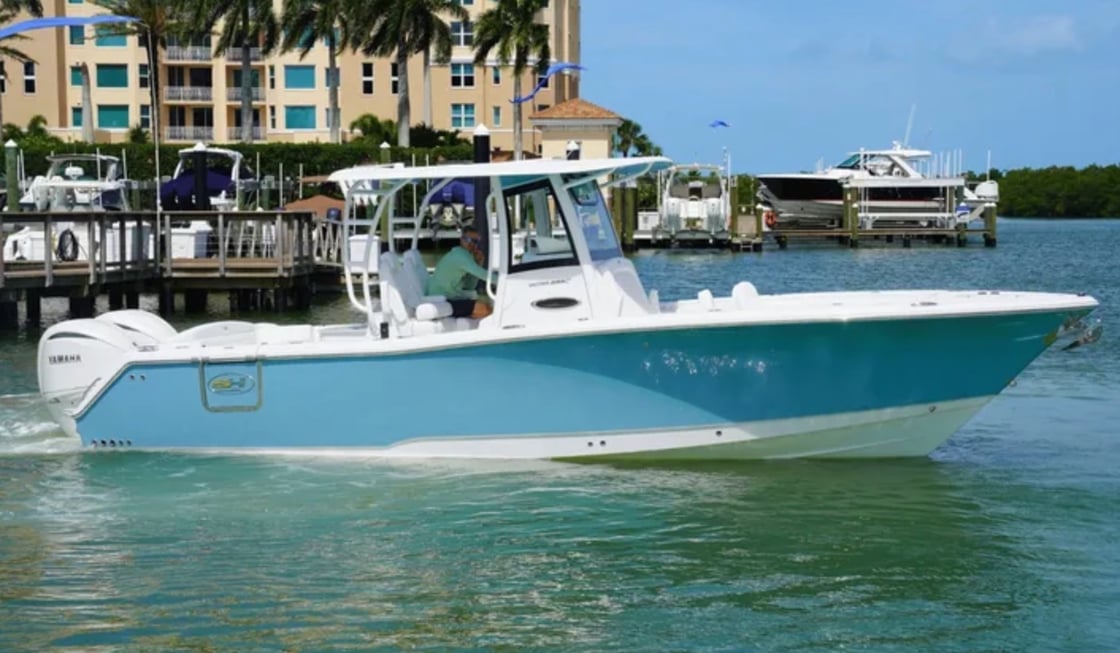
FROM REEF TO SANDBAR This 2027 Sea Hunt Ultra 285FS sits in Bonita Springs, FL, powered by twin 300-hp Yamaha outboards and carrying 180 gallons of fuel for longer runs. Bow seating and fold-away transom seating give her room for passengers, and an oversized hardtop keeps the cockpit out of the sun.
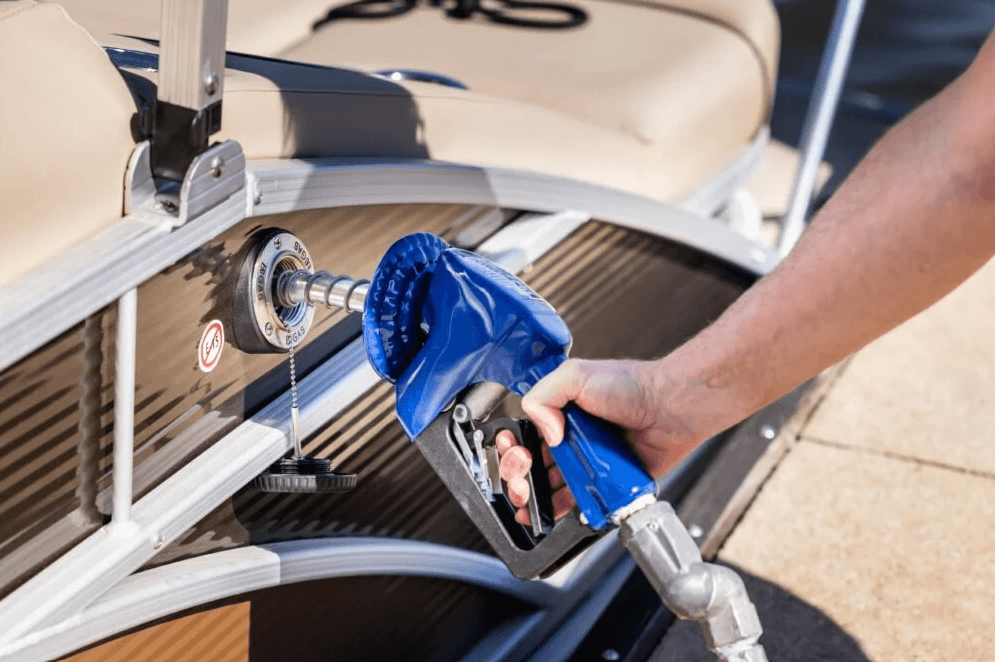
SAVE FUEL Fuel economy isn't just about slowing down. Hull condition, trim, engine height, propeller choice, and even weight distribution all affect what comes out of the tank. One suggestion may save only a little, but together they can make a noticeable difference over a season.
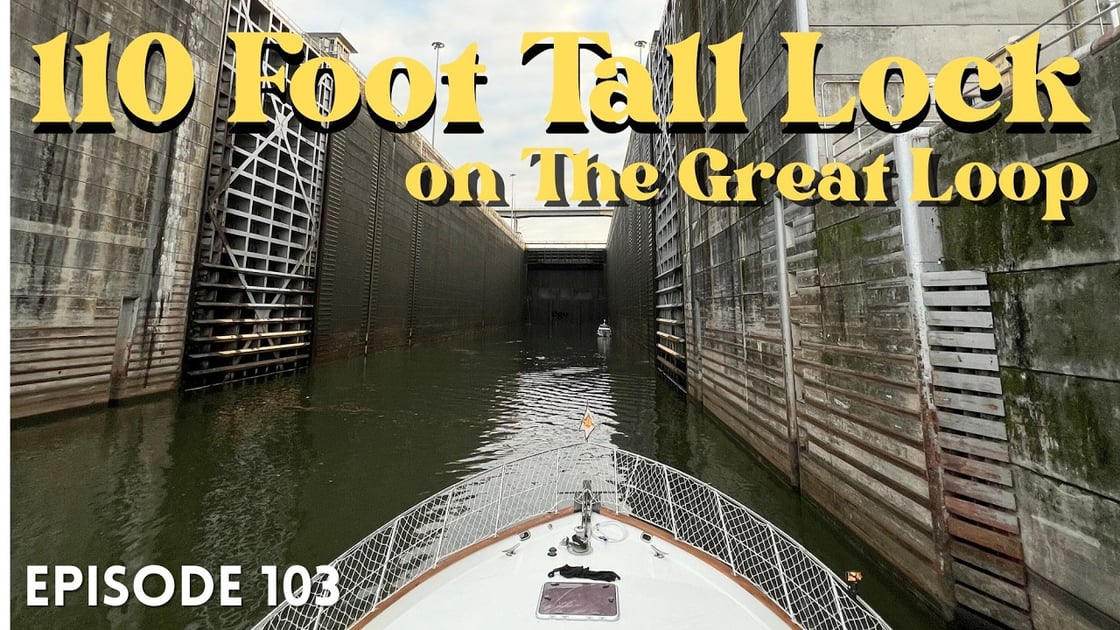
LOCK LIFT On this episode, Sea Shine rises about 100 feet in under 10 minutes at the tallest single-lift lock in the U.S., after the lock master rushes the water to let a downbound barge through. The 56-foot cruiser leaves Florence, Alabama, that same morning, motoring out through 40 bass boats blasting off the start of a tournament.
BUSY WATER New York Harbor rewards preparation more than improvisation. Knowing where commercial traffic communicates, when to cross the shipping lanes, and why local skippers time the tide can make the passage smoother from the Atlantic to the Hudson.
.png?width=1200&upscale=true&name=NEWLOGO-HEADER-NLv3%20(1).png)